How to Write Quality Git Commits
A practical guide to writing commit messages that are clear, reviewable, and useful months later.
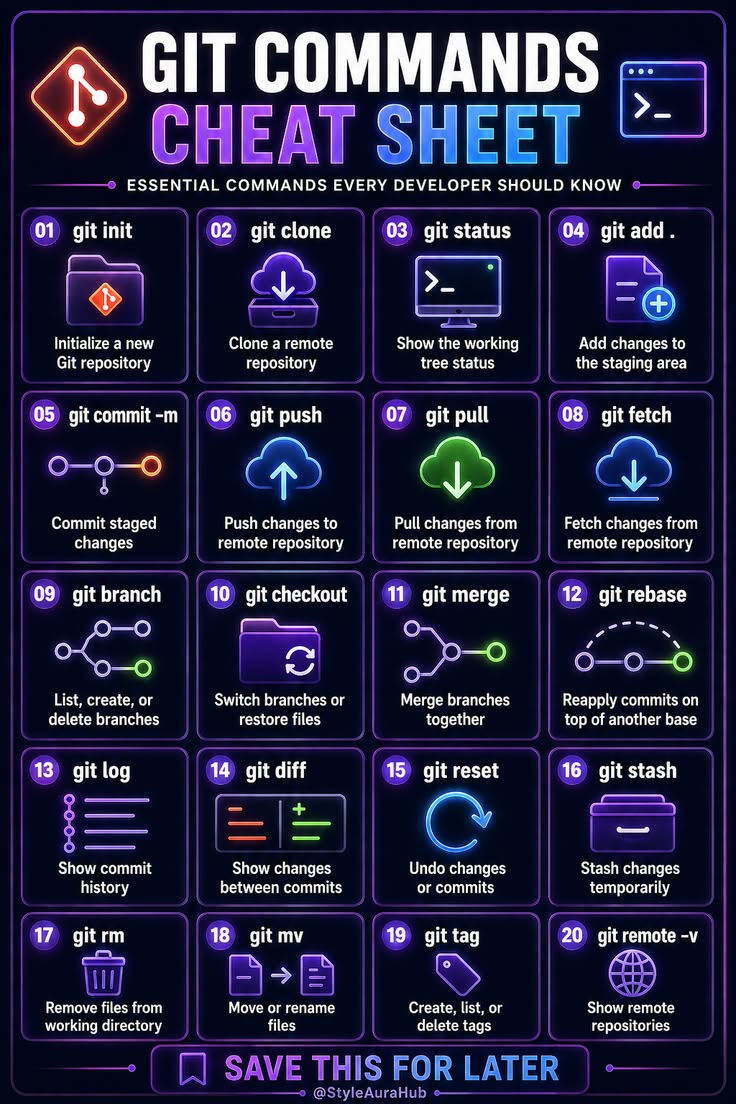
Good commits tell a story. In this guide I explain how to make each commit small, purposeful, and easy to review so your history becomes a reliable source of truth.
Start by separating concerns: one commit should do one thing. That keeps diffs focused, makes code review faster, and makes rollback safer when something goes wrong.
Next, use a consistent message format. A strong subject line explains what changed, not just that something changed. Add a short body when the why is not obvious, especially when the change touches performance, security, or architecture.
I also cover practical habits: stage intentionally, rebase before merging when needed, and avoid noisy WIP commits in shared branches. Finally, the guide ends with a checklist for writing commits that help teammates and your future self understand the project history quickly.